
How-to: dosing and stacking math
The how-to pages on this site are about one thing: the arithmetic between a vial and a syringe. Converting a dose to syringe units, reading a syringe for a given amount, working a pre-mixed blend one component at a time, and keeping a stack sheet. Each page describes how the calculation is done; none of them is an instruction to use any substance. Research use only.
Tools for the arithmetic
Calculator
Peptide Reconstitution Calculator
A dose to syringe units: vial amount and water volume to concentration, then the amount you enter to a U-100 reading, with the formula shown.
Calculator
Peptide Blend Calculator
Pre-mixed vials, one component at a time from the vial's own split — the label's total cannot be used for any single peptide.
Tool
Peptide Tracker
Records vial size, water volume and units drawn so every entry is reconstructable; weekly grid and calendar export. Nothing uploaded.
Dosing and stacking math, page by page
The reference pages that walk through the calculation rather than run it.
Peptide Reconstitution Calculator Guide
Field by field: what the vial amount, the water volume and the target amount do to the concentration and the syringe reading.
Reconstitution Math Examples
Worked from label to syringe, step by step — the same dose at several concentrations, and the mistakes the arithmetic is prone to.
Peptide Reconstitution Chart
Reading a syringe for a given amount: the concentration every common vial size reaches, what one unit holds, and the conversion back to units.
Printable
Peptide Stack Sheet
The printable stack reference: named-blend components, the worked blend example and a blank multi-compound log.
Storing peptides, shelf life, travelling with vials, supplies and the general mixing procedure are documented on Medibact: How to store peptides and How to reconstitute peptides (on Medibact).
Articles
3 articles
Pillar D — how-to about dosing and stacking
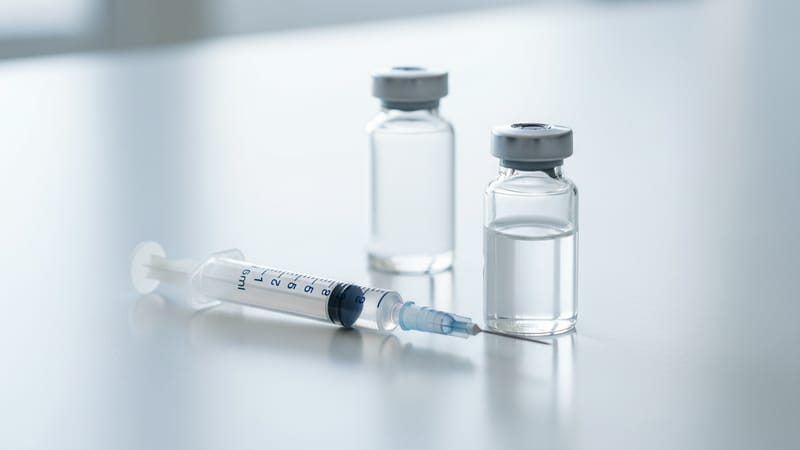
Syringes for Peptides: Gauge, Length, Barrel and Dead Space
Insulin syringe sizes as makers and pharmacy references describe them: 0.3, 0.5 and 1 mL barrels, 27 to 31 gauge, 6 to 16 mm needles, and measured dead space.
Pillar D — how-to about dosing and stacking
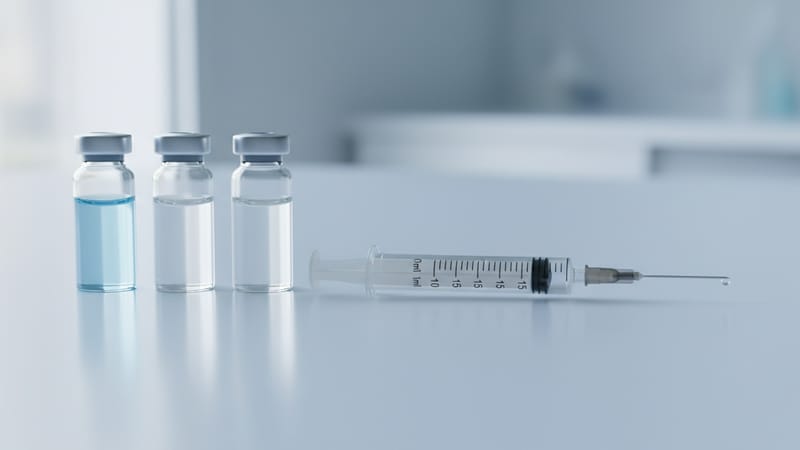
Insulin Syringe Units: How Many Units in a mL, U-100 vs U-40
How many units are in 1 mL on U-100 and U-40 syringes, what one unit is in mL, the 0.3, 0.5 and 1 mL barrels, and mcg to units at each concentration.
Pillar D — how-to about dosing and stacking
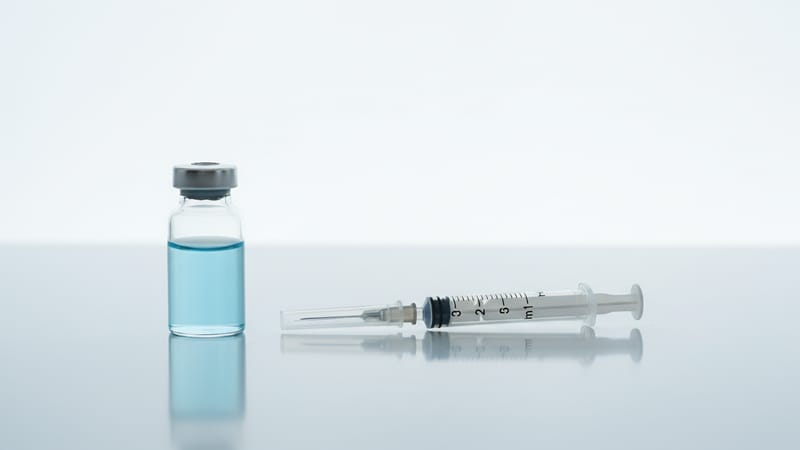
How to Inject Peptides: Sites, Angle and the Units per Dose
The subcutaneous procedure as the Ozempic, Mounjaro, Zepbound and Egrifta labels and nursing references describe it, with the syringe reading for a dose.